Uncategorized

Enamored with Enamelware

Bluewhiteenamel

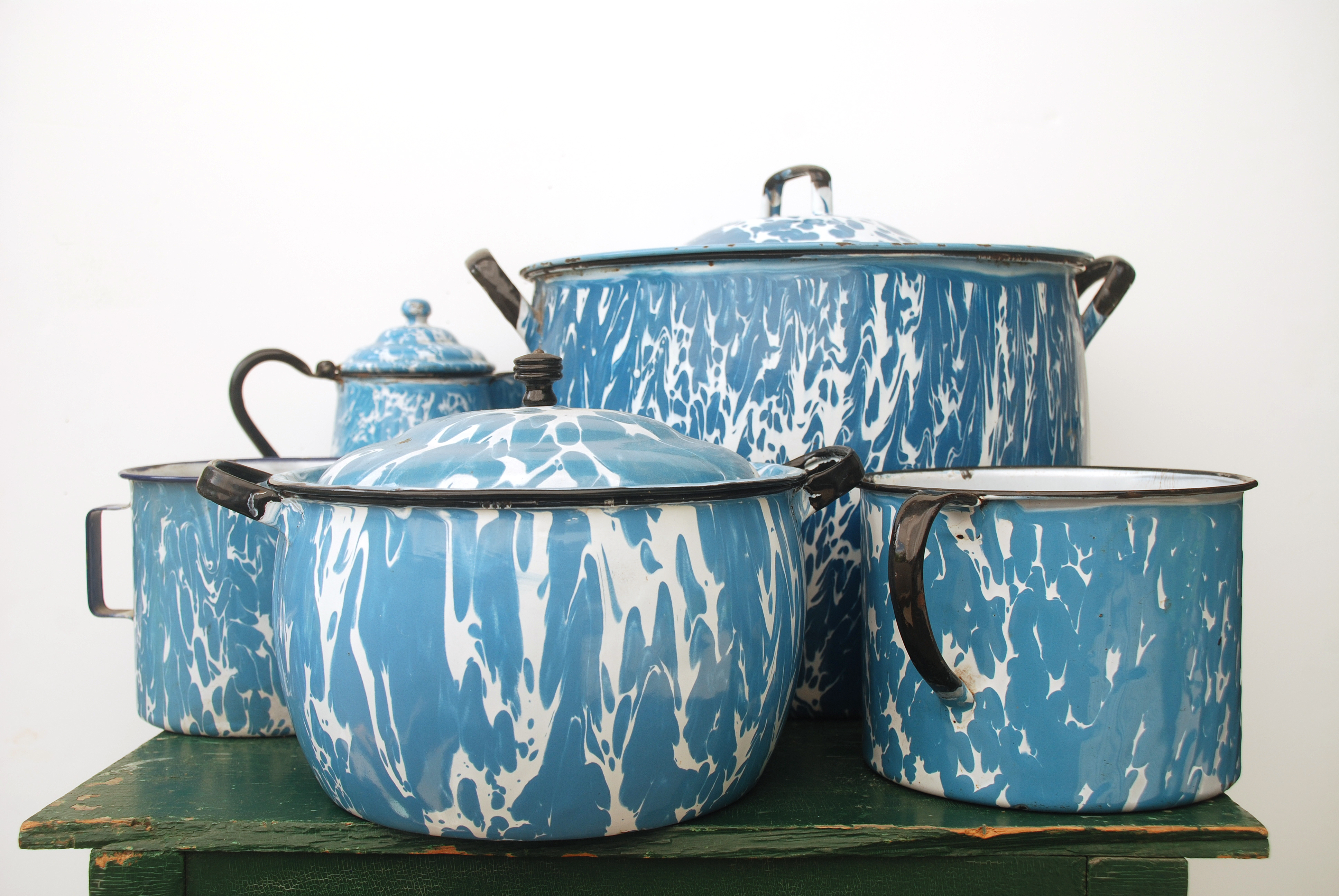
Group of Blue and White Graniteware

I was fortunate, recently, to meet two local gentlemen who had collected all sorts of enamelware and graniteware for many, many years. While they loved their collection and had happy memories associated with finding each piece, they were ready to divest themselves and de-clutter their apartment. I was more than willing to purchase their enamelware. I'm just beginning to unpack, photograph and offer it up for sale. There are some stellar pieces in the lot and I hope that they will bring people much joy.
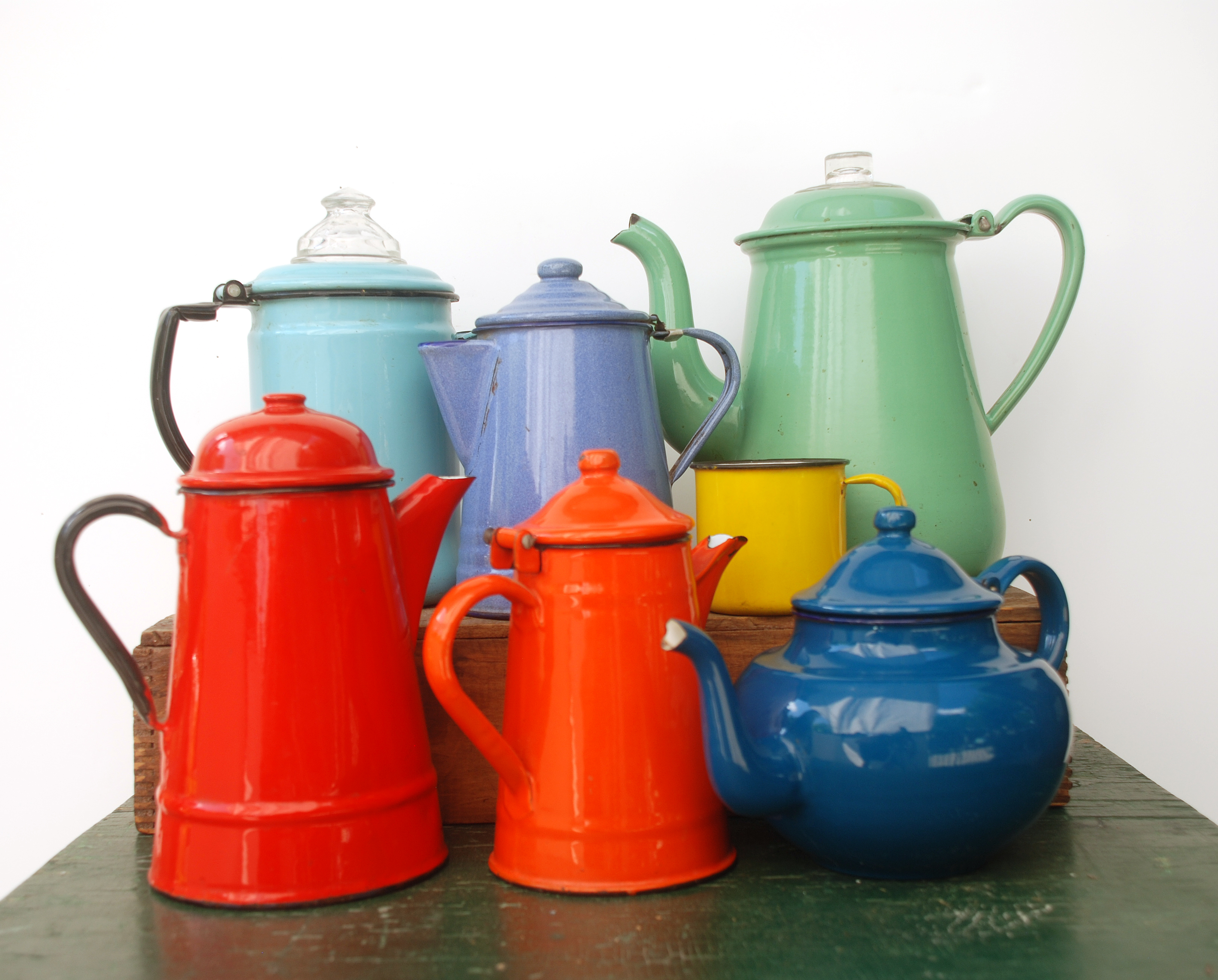
All the photos in this post are of pieces that I have currently for sale. Keep an eye on my etsy shop for listings coming soon, or visit me at my shop.

Rainbowenamel

A Rainbow of Coffee and Tea Pots including Rare Jadeite Green

Cobaltenamel

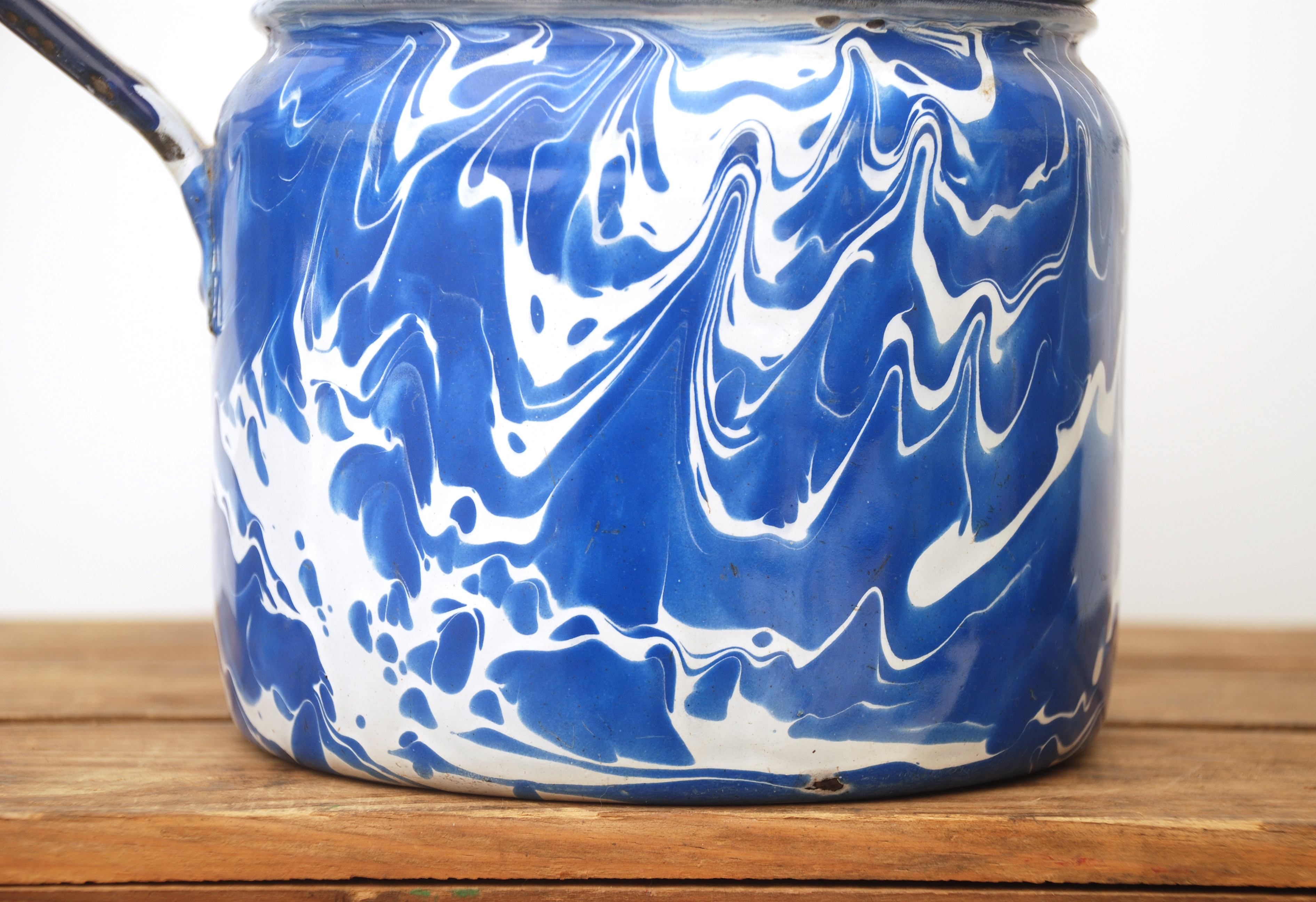
Rare Cobalt Double-Boiler Pot
Cobaltenamel

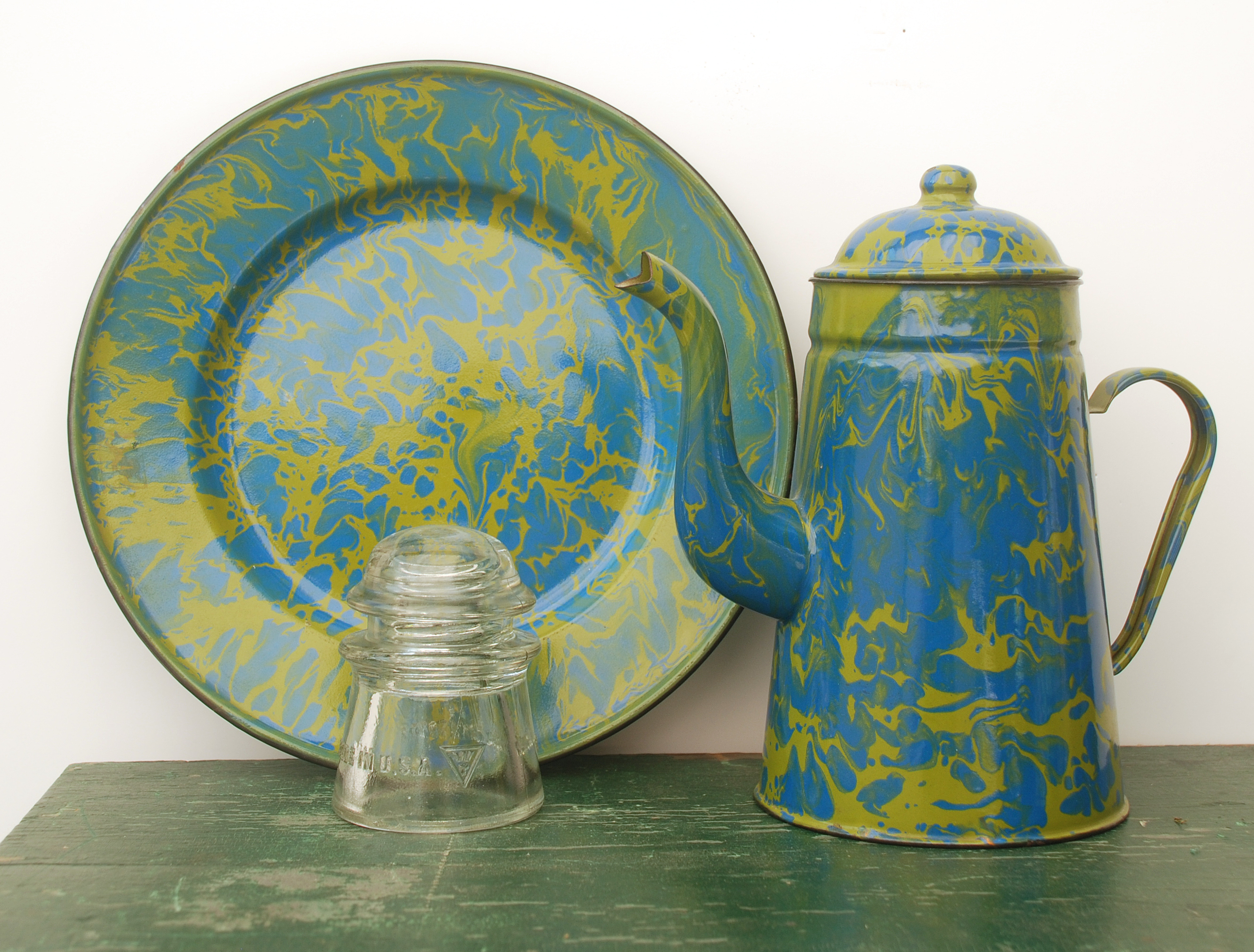
Swirled Green and Blue Plate and Coffee Pot
Cobaltenamel

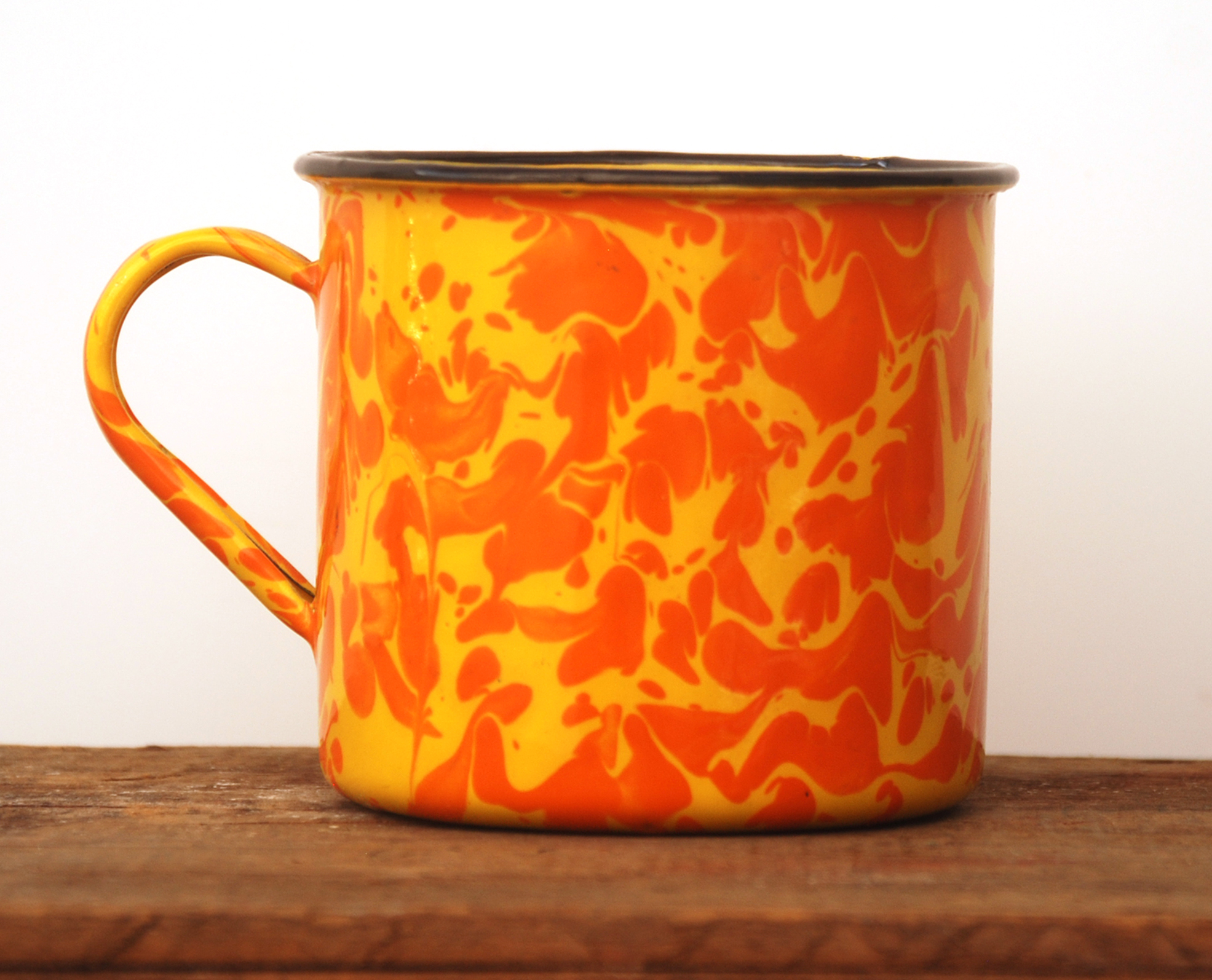
Cheerful Bright Orange and Yellow Cup
Here is a very concise and helpful excerpt on collecting enamelware from Martha Stewart Living, Volume 20 June/July 1994

Enamelware, the first mass-produced Technicolor kitchenware,
first appeared in American dry-goods stores and mail-order catalogs in
the 1870s, and continued to be produced through the 1930s. Items such as
biscuit cutters, baking tins, and ladles were stamped from thin sheets
of iron, steel, or aluminum, then coated with enamel, which was fused to
the metal in a very hot oven.

Enamelware came in blue, red,
purple, brown, green, and pink, plus gray and white. Patterns were as
varied as the colors; besides the familiar swirls, mottles, speckles,
shades, and solids, there were designs that looked like chicken wire,
checkerboards, and pickle relish. Some pieces sported a festive jumble
of colors collectors call "end of day," because it was made with a mix
of leftover glazes. Enamelware was much lighter-weight than the average
kitchenware, cleaned easily, and was less fragile than china, which
added to its popularity.

Made by several manufacturers, enamelware
was known by many names. Lalance and Grosjean coined Agate Iron Ware
for one of its products; the St. Louis Stamping Co. marketed a line
called Granite Iron Ware. Shortened to agateware and graniteware, these
names caught on and came to be used interchangeably with generics such
as porcelainware and speckleware. In fact, graniteware remains the name
most widely used by collectors today.
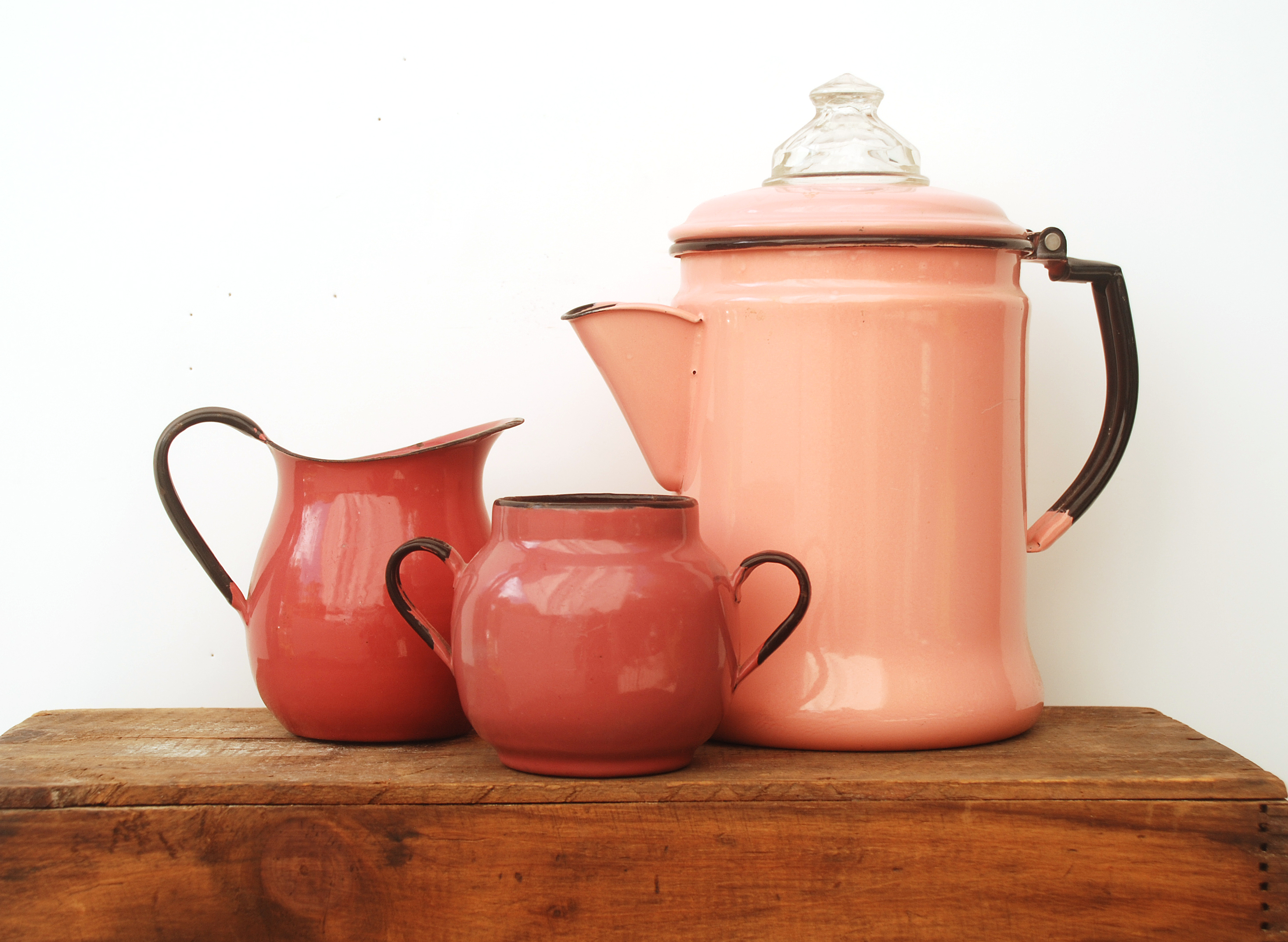

Pinkenamel

Pink Coffee Pot with Rare Mauve Cream and Sugar Bowls


Many pieces that survived
home life at the turn of the century were lost to World War II
scrap-metal drives, so the once-plentiful kitchenware is much harder to
find now, and its rarity adds to the value. A muffin pan intended for
use a century ago rarely arrives on the market in perfect condition
today; it can be worth more than $1,500 if it also has a rare shape and
color or the original label intact. Teapots and mixing bowls in
near-mint condition are more common and might cost $30 or $300 each.
Worn ladles, funnels, and pie tins can sell for a quite reasonable $5 to
$10. Rare colors and patterns — purple, red, cobalt-blue swirls — are
the priciest; solid and shaded pieces are much more affordable.

Enamelware
was manufactured again in the United States during the 1960s, and is
produced in various locations around the world today. A genuine antique
may have its maker's name fired into the glaze on the bottom; some
pieces have the date fired in as well. "You can tell the old pieces by
the smoothness of the finish, riveted handles and spouts, and handles or
knobs made out of wood instead of plastic," says Helen Greguire, author
of "The Collector's Encyclopedia of Granite Ware" (two volumes,
Collector Books).

Click here to read more and for tips on using and cleaning your enamelware.

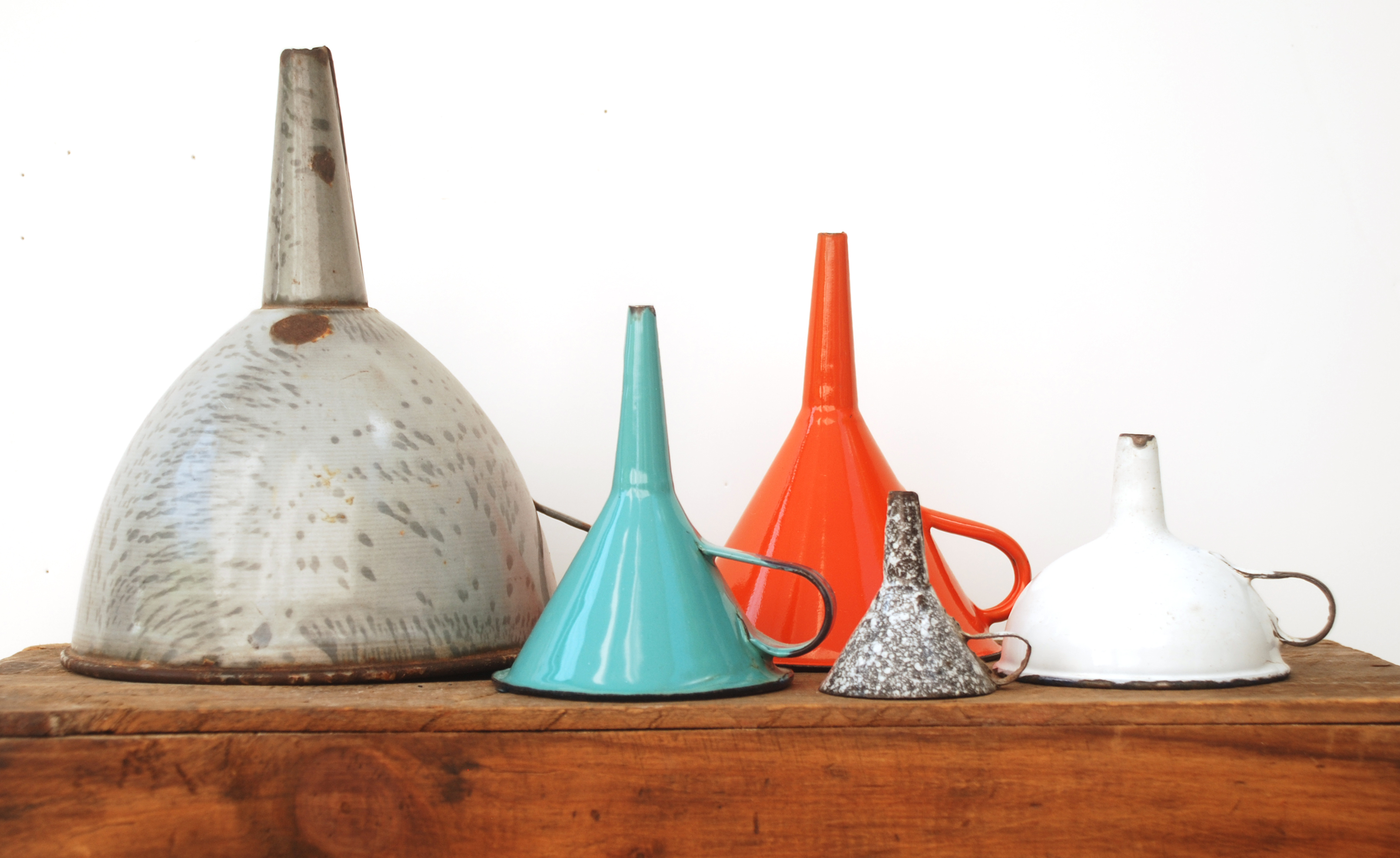
Just a few more photos to share of Ladles (their collection included hundreds of cooking utensils) and Funnels
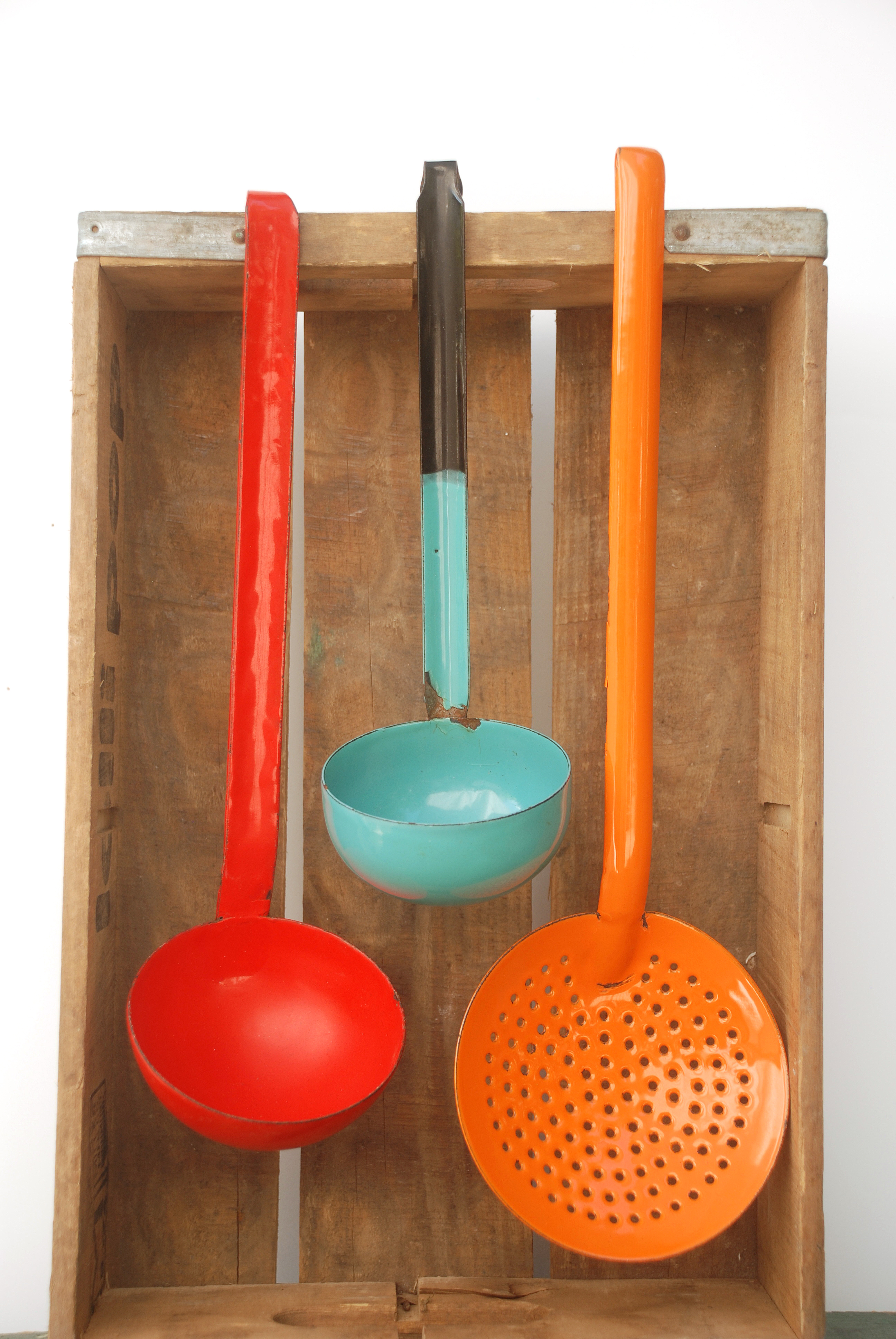
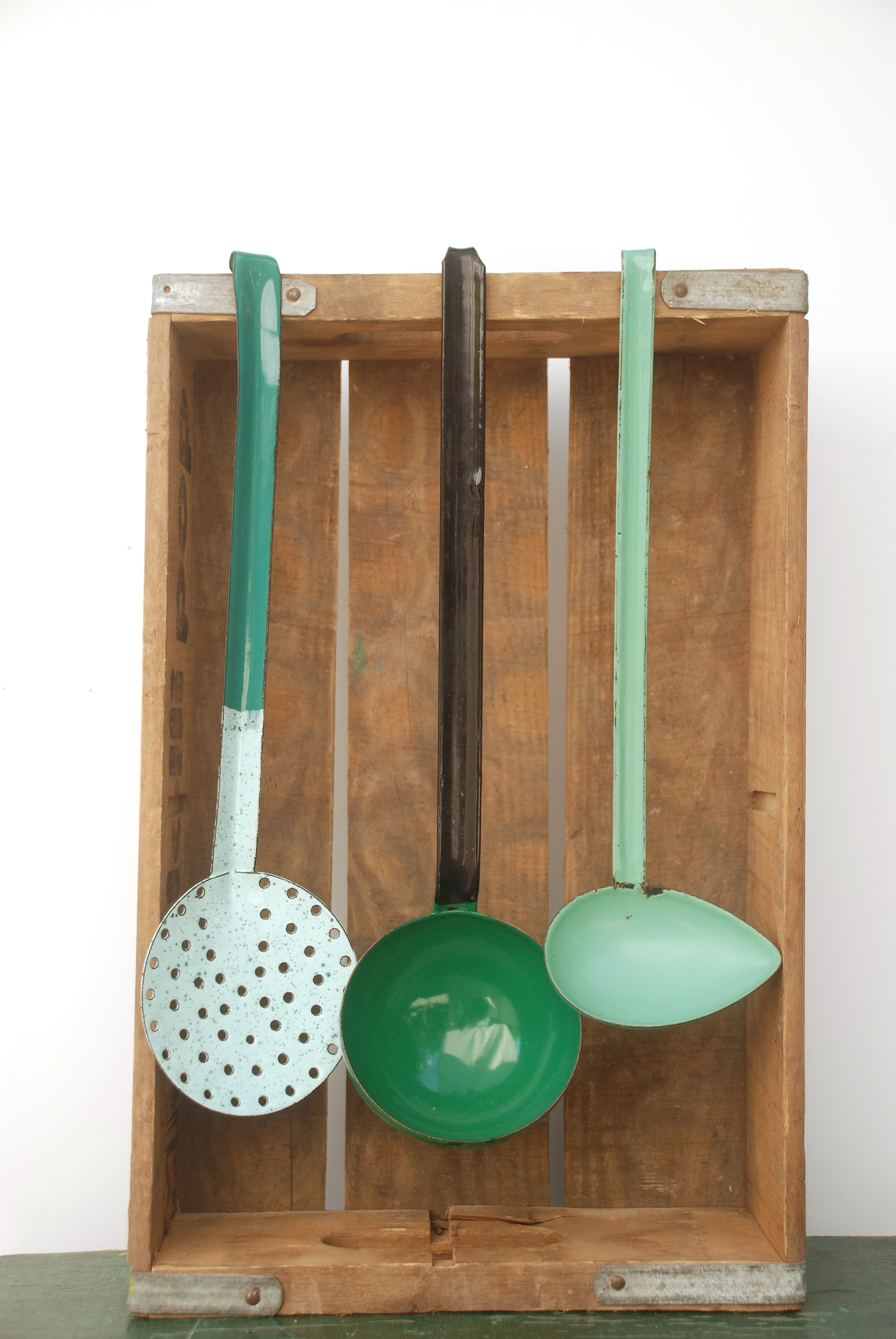
Ladles1
Ladles1
Ladles1

Uncategorized

Shades of Glass

Images
It has been too long since I sat down to compose a blogpost- too long since I sat down. Period. The truth is I have been absolutely swamped with buying exciting new stuff and developing some new venues to sell…not to mention the maelstrom that is June for those of us with kids.

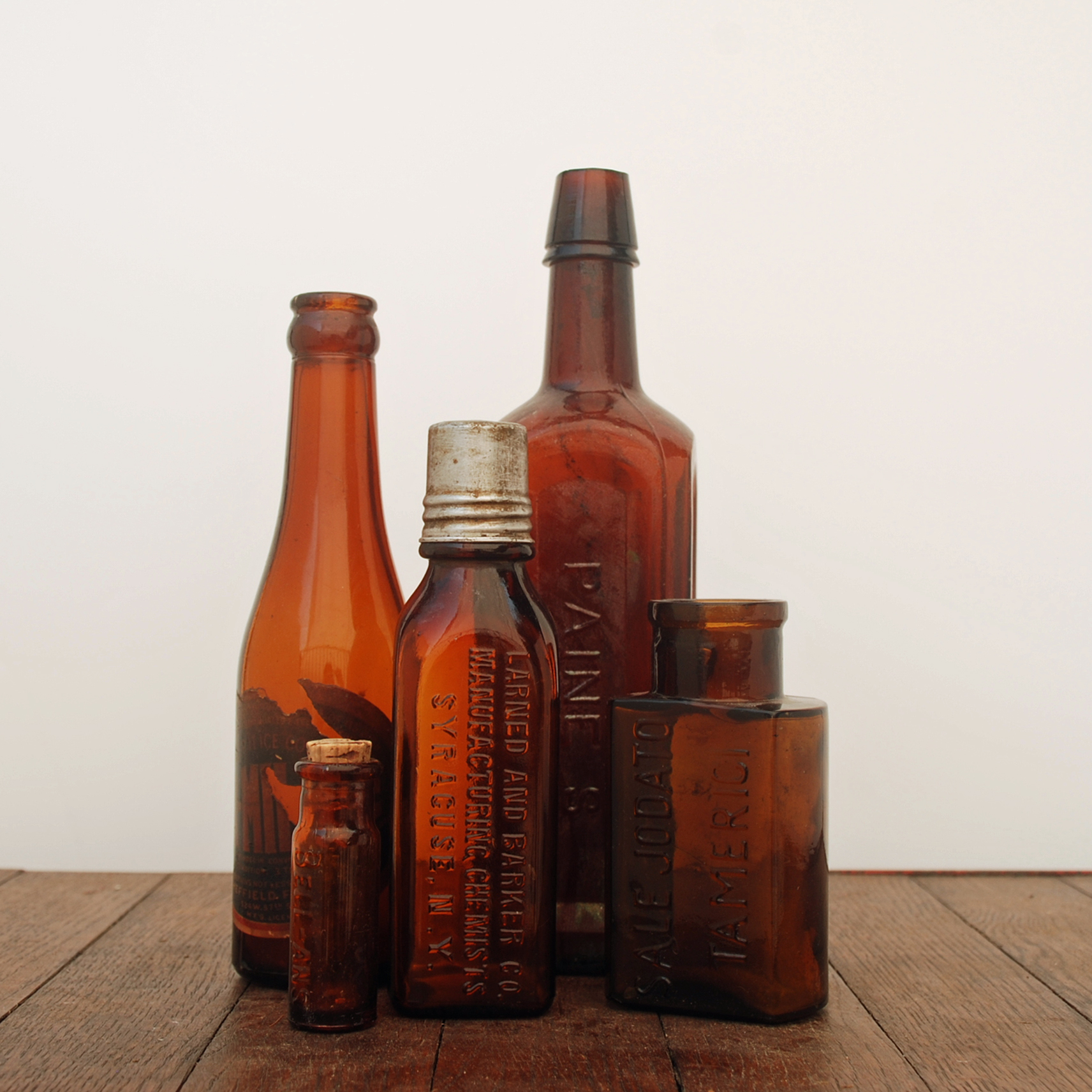
I'm out on Fire Island this week for a brief respite- enjoying some fresh sea air and some fine food and drink with friends and family. The house we are renting in Lonelyville is simply decorated with lovely old bottles in aqua, green and amber. Bottles are placed in the high windows of the "A" Frame house and the light off the Great South Bay slants in and illuminates them.

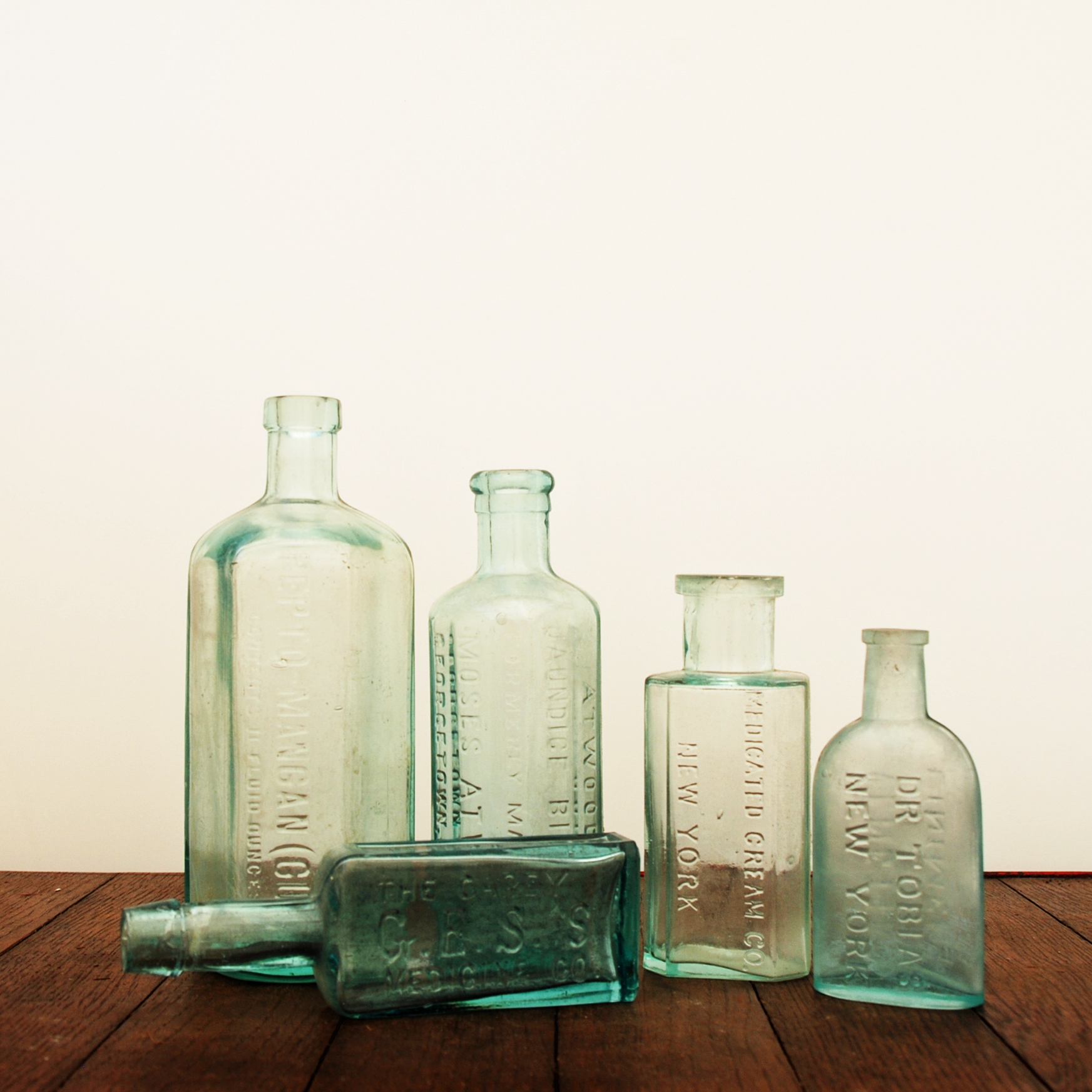
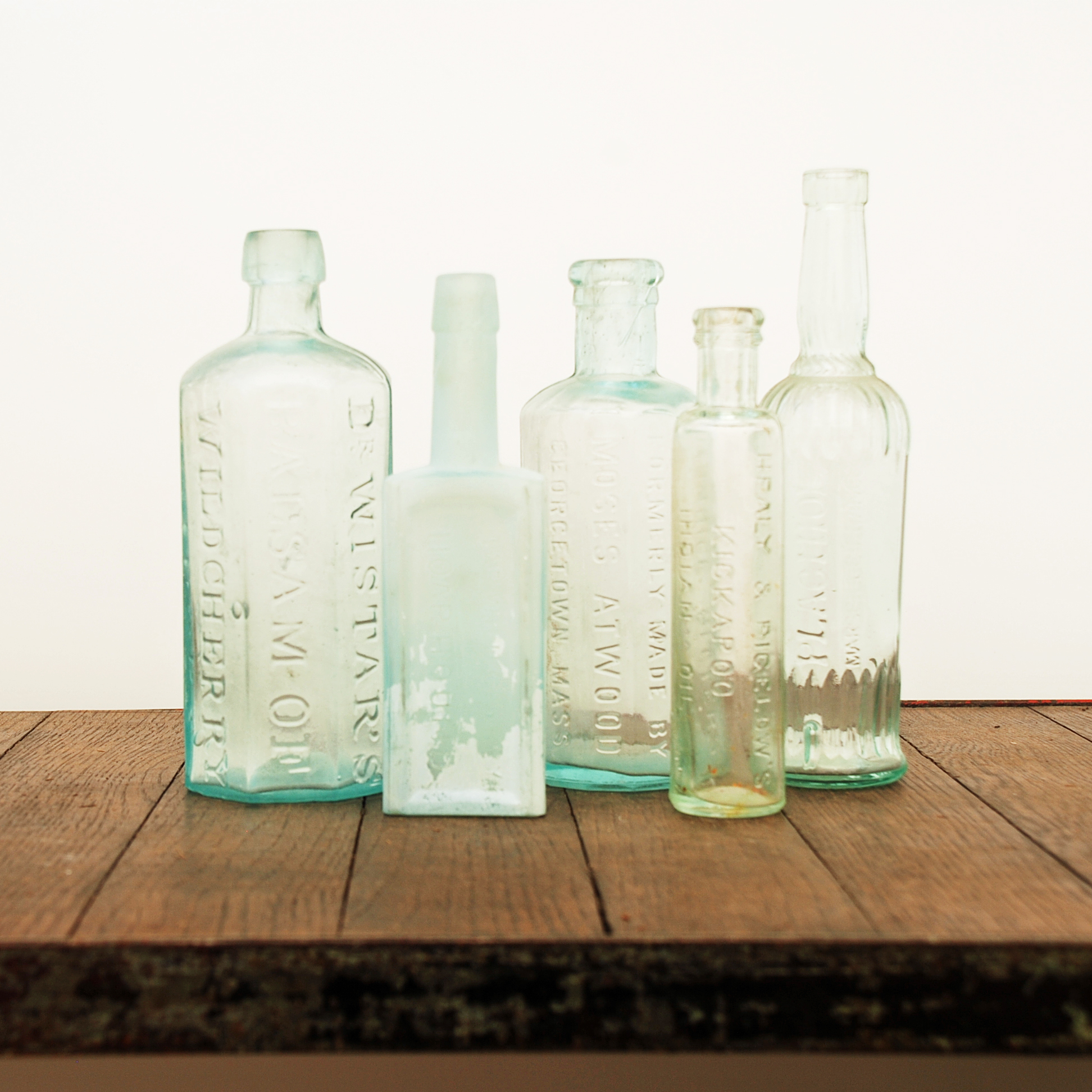
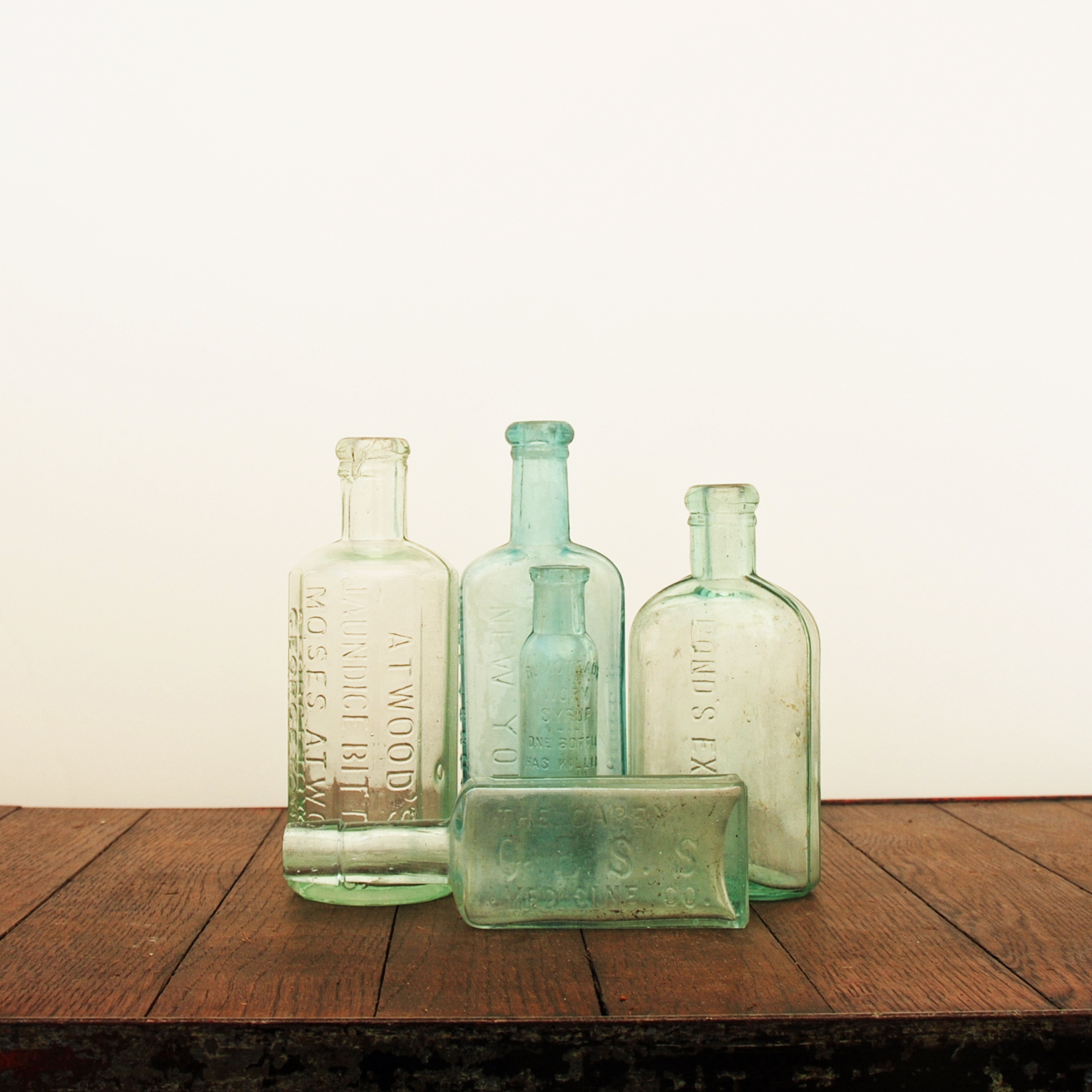
One of the things I have coming up in July is a big sale on FAB.com. It will start on Monday July 15th and last for one week only. The theme is Anatomical, Science & Apothecary. I will have some great lots of vintage bottles for sale- really interesting groups. It was fun to put together these instant collections of bottles.

ABTLAQUA1
ABTLAQUA1
ABTLAQUA1
And a little amber to mix it up….

ABTLAMBER
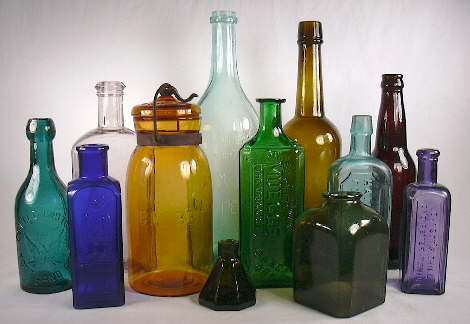
If you are interested in colored glass, here is a great site that explains the history and workings of glass coloration. It is a fascinating art and science. The photo below is from the site and illustrates the great variety of commercial glass.

Colorgroup_small
Also coming up, I will be selling at the Brooklyn Flea in Williamsburg on July 7th, and in Brimfield at the Dealer's Choice show on July 9th. That is all in addition to regular shop hours.

Happy Independence Day! Hope to see you all this summer.

Uncategorized

The Squid & The Whale

 
Drauzoux.crayfish
Drauzoux.crayfish

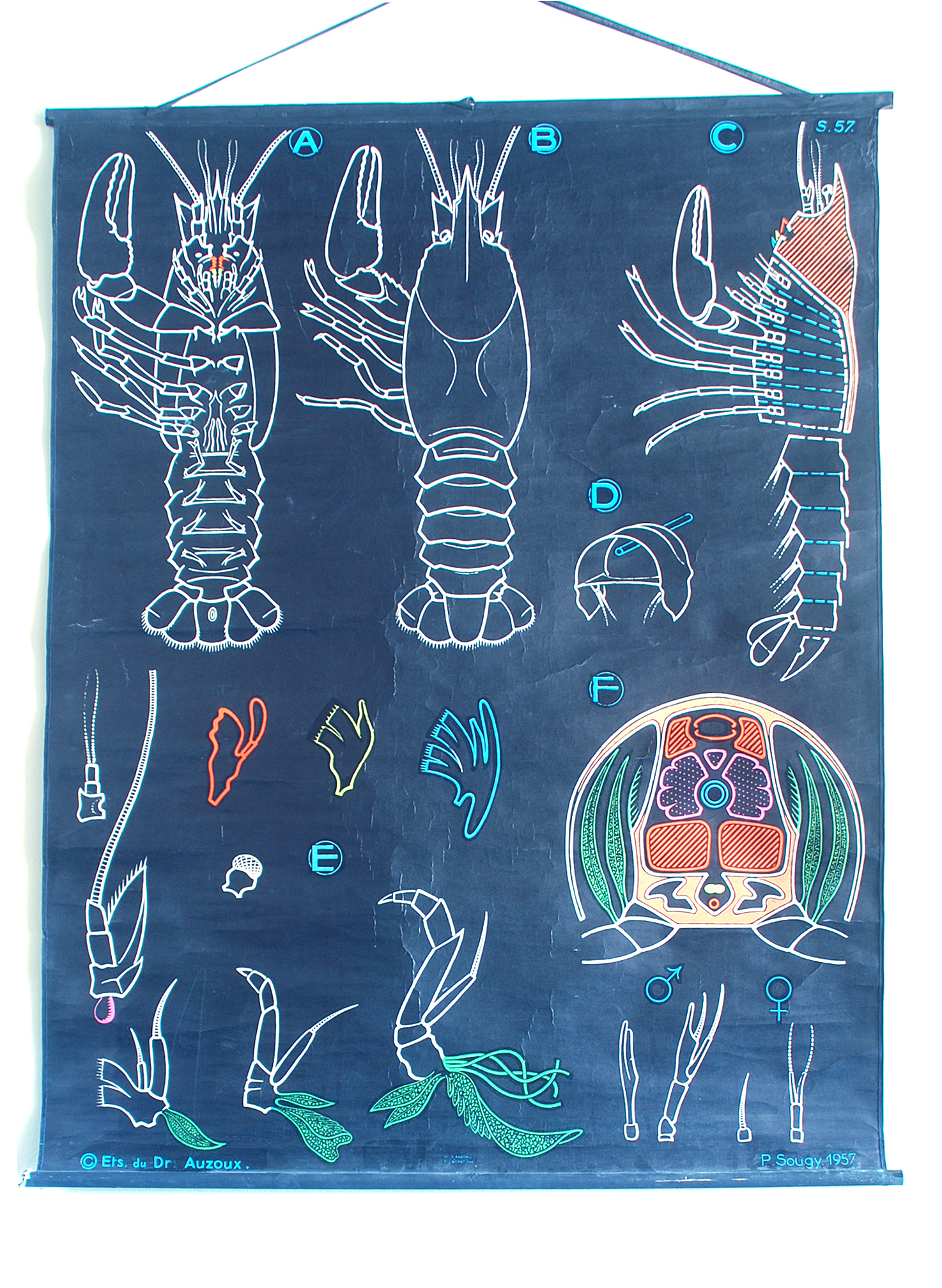
Expanding on my nautical theme from the last post, I thought I would share some of my favorite images of sea creatures below and around the sea.

First, the squid and other cephalopods….

IMG_1739


IMG_1739

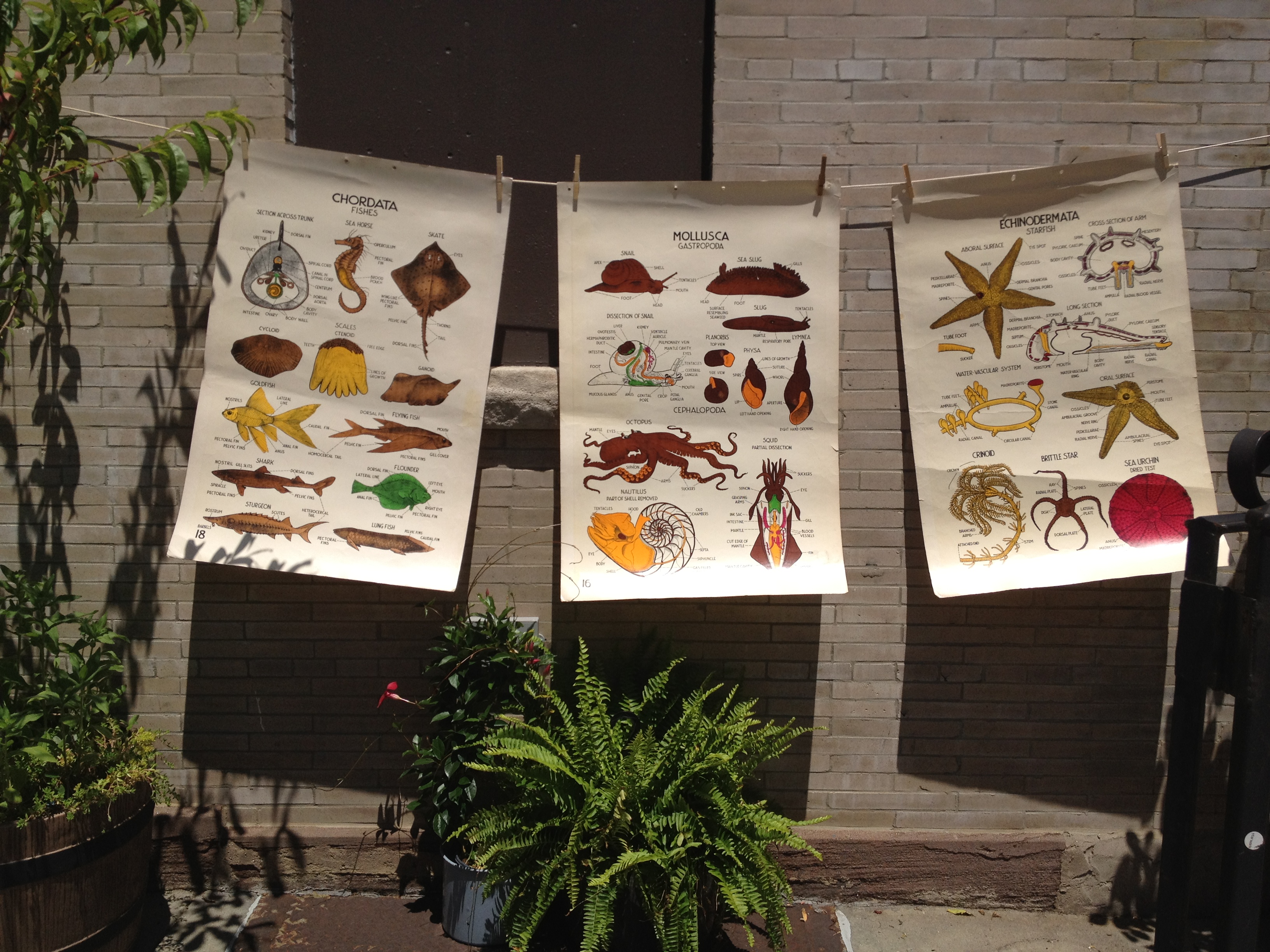
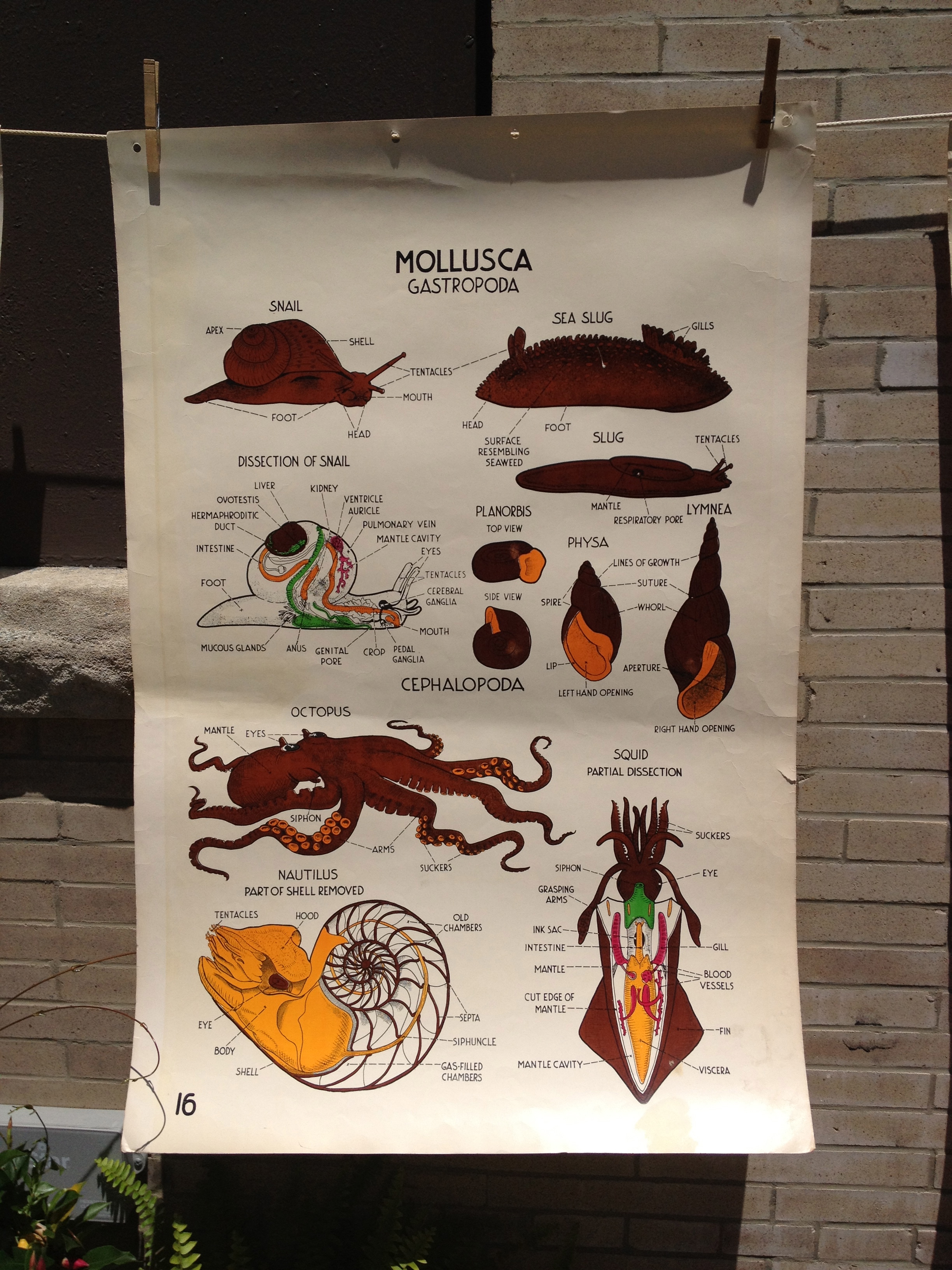
1930s Denoyer-Geppert Classroom Chart
Currently for Sale, $85


Drauzouxsquid

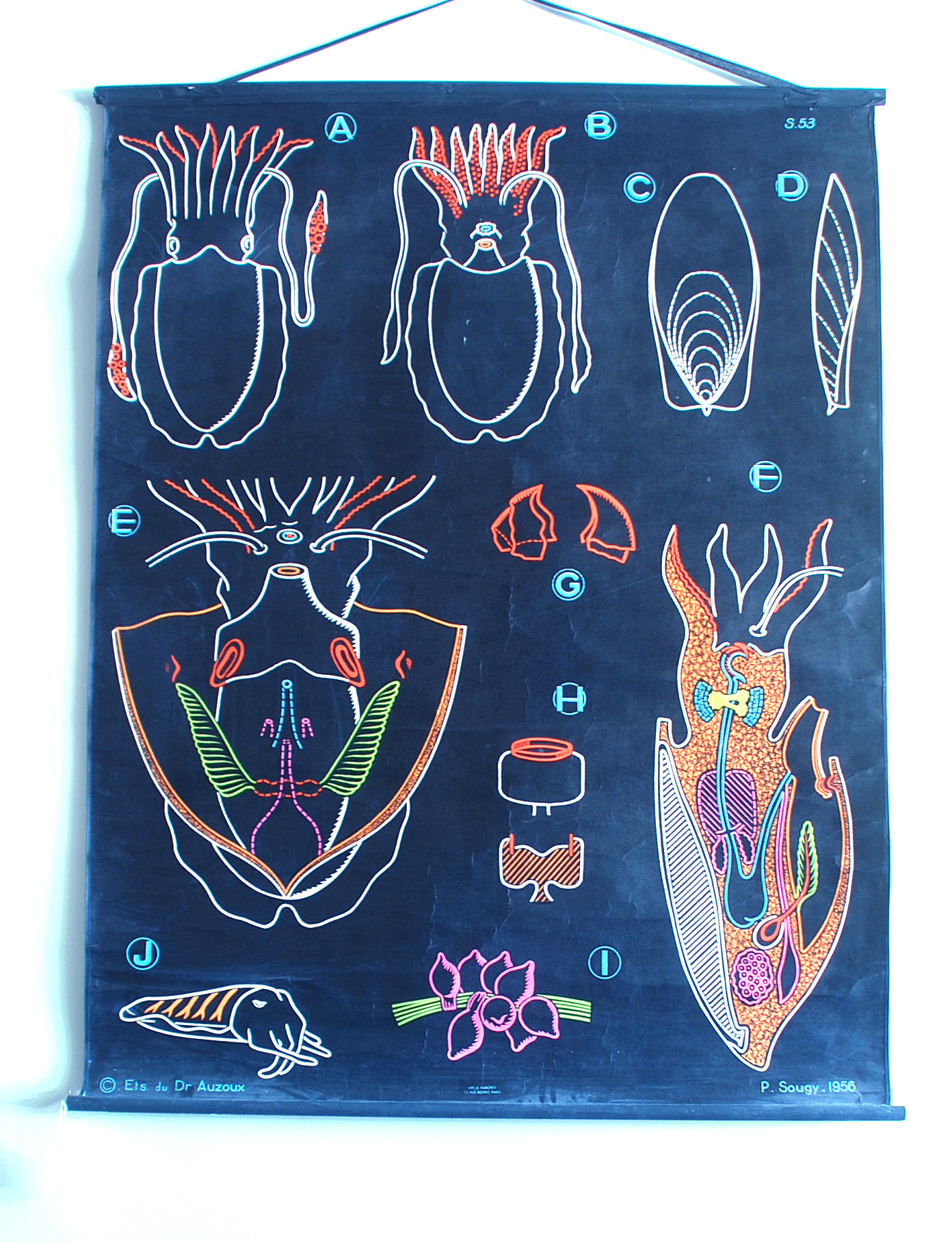
1956 Dr. Auzoux Chart "la seiche" which translates as cuttlefish or bobtail squid
Currently for Sale, $525


Then, the whale and fellow sea mammals…


Img181

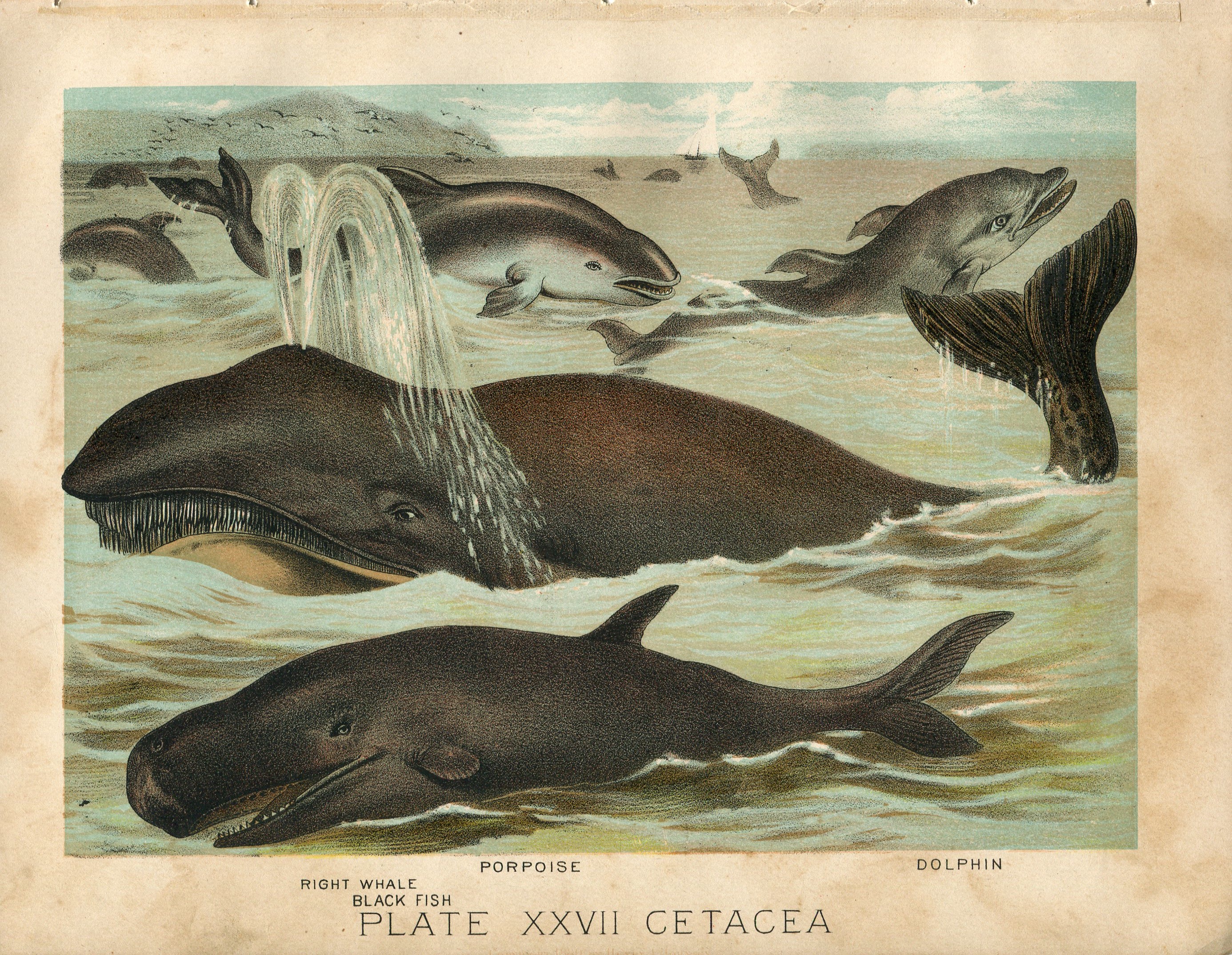
1880s Chromolithographic Plate, Johnson's Household Animals, Currently for Sale, $25


Img181

1843 Hand-Colored Copper Plate Engraving (SOLD, but we have similar plates in stock for $10 each)


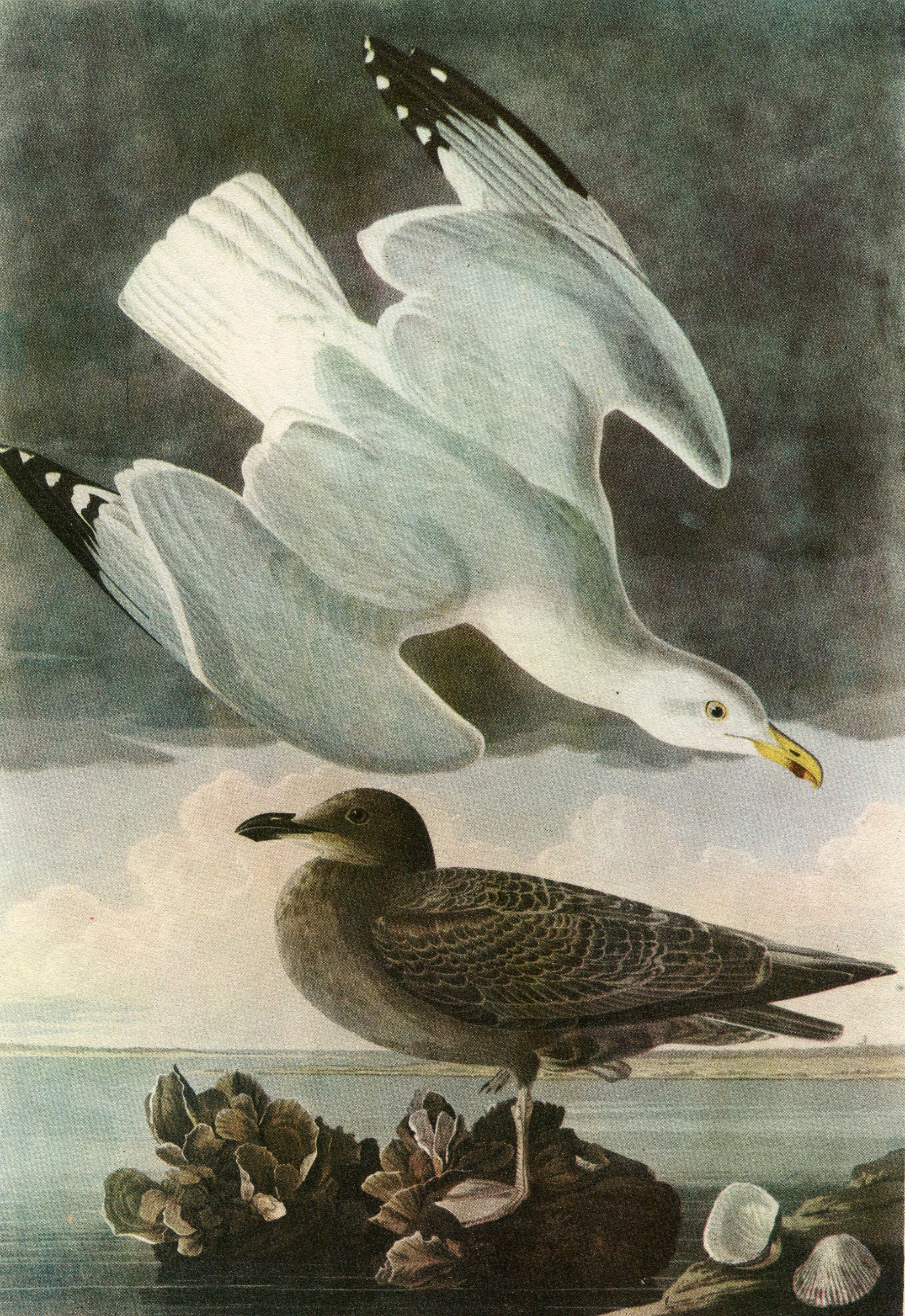
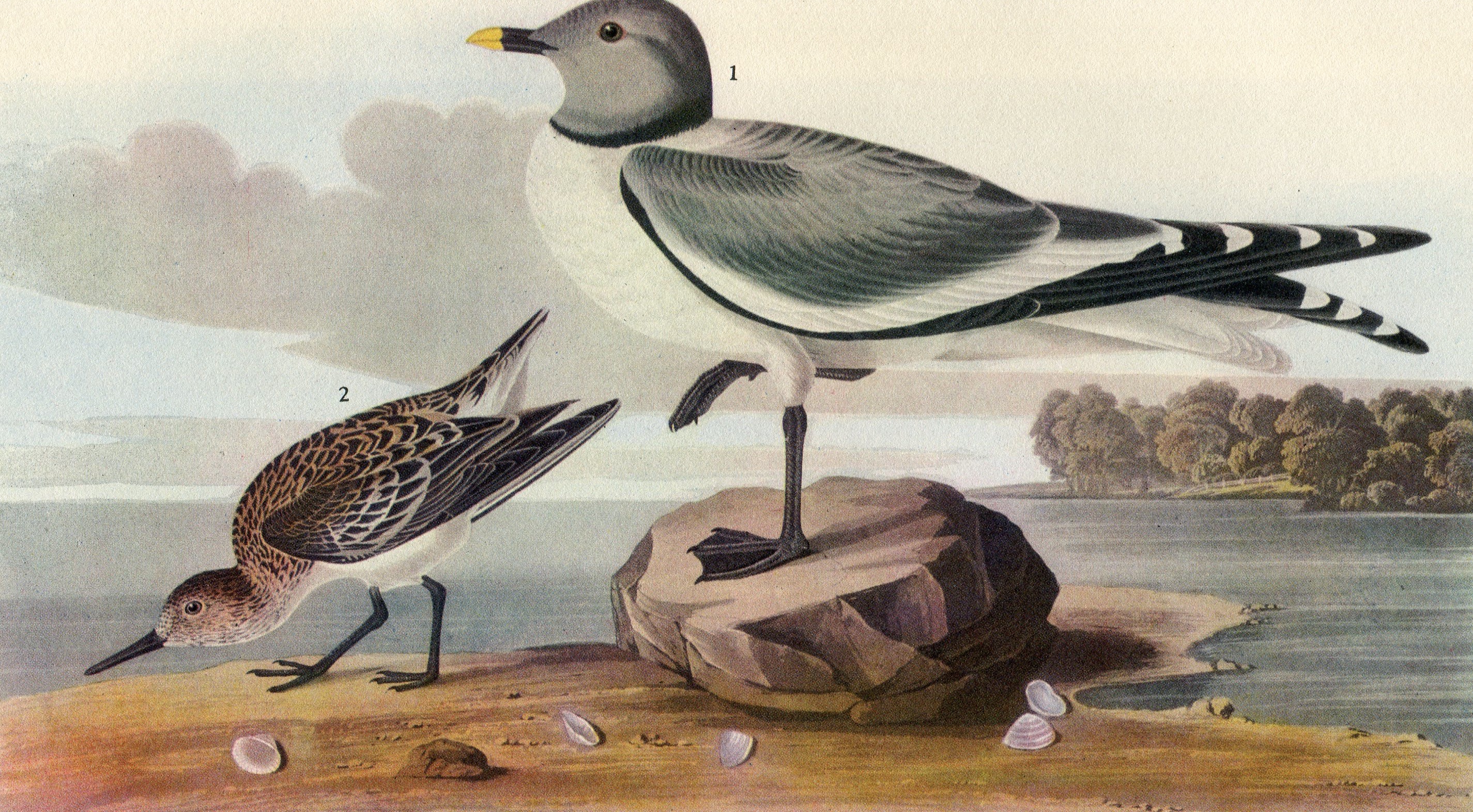
And let's not forget our feathered friends of the sea….

Img092

Img092

Img055

We have many very reasonably-priced early 20th century prints of Audubon's amazingly beautiful water colors. They are not always out on display in the shop, due to space constraints. Please inquire if interested.

One final note: Windsor Place Antiques received a very nice write-up in a Best of The Brooklyn Flea article in dna info.

You can check it out here

Hope to see you in the shop this weekend or at the Brooklyn Flea in Williamsburg this Sunday